
Who Can Access Your Digital Wealth After You Die?
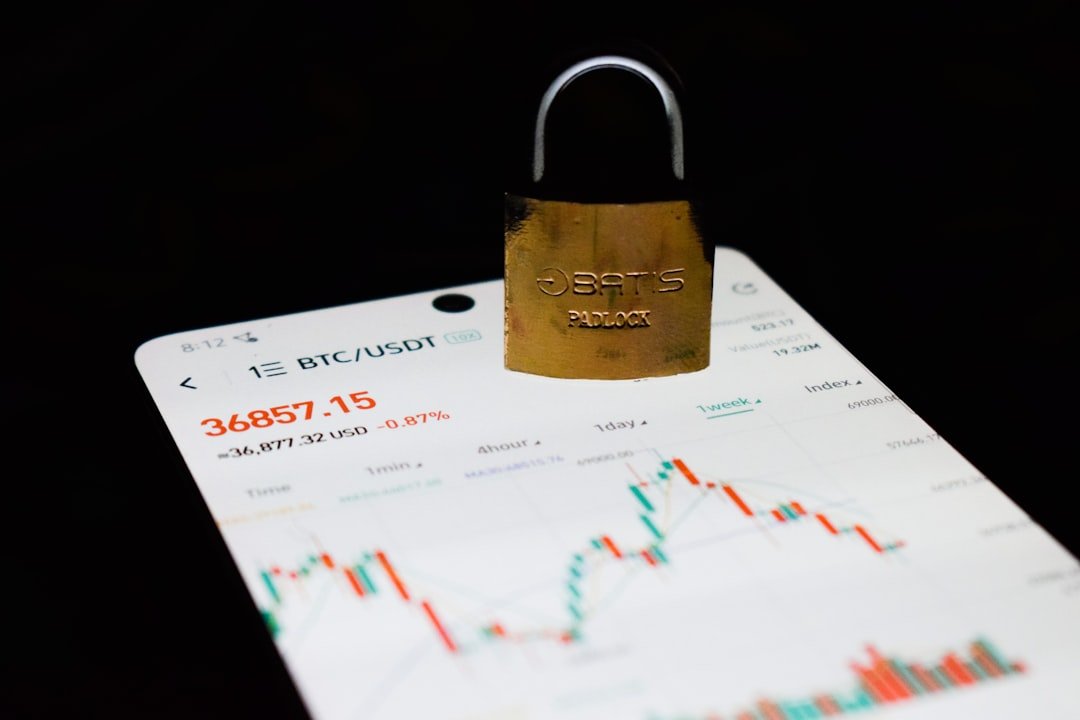
An investor can leave a house through a will, identify a bank account through financial records and transfer listed shares through an established probate process. Digital assets introduce a different problem: the heirs may have a legal right to inherit them without possessing the technical information required to reach them.
A cryptocurrency wallet does not recognise a death certificate. A blockchain does not replace a lost private key. An executor may know that an asset exists and still remain unable to transfer it.
Digital succession therefore requires two plans. The legal plan determines who should receive the assets. The access plan determines how authorised people can locate, verify and control them without exposing them prematurely.
Investors who complete only one of these plans leave a critical gap.
Digital assets extend beyond cryptocurrency
The term digital assets covers several categories.
Financial assets may include cryptocurrencies, stablecoins, tokenised securities, exchange accounts and balances held on digital platforms. Commercial assets may include domain names, monetised websites, online stores and intellectual property stored electronically.
Personal digital property can include cloud files, photographs, email accounts and social-media profiles. Some items have direct financial value. Others contain information needed to locate or administer the rest of the estate.
A digital estate plan should distinguish between them. The person who receives family photographs does not necessarily need access to an investment wallet. The executor who administers the estate may need records from an exchange without receiving the assets beneficially.
Clear classification prevents a single password list from becoming the family’s entire succession system.
Ownership and access are separate questions
Traditional assets usually depend on an intermediary. A bank can verify the executor’s authority and release funds through a regulated procedure.
Self-custodied digital assets remove that intermediary. The holder controls the assets through private keys or recovery credentials. Whoever controls those credentials may be able to move the assets, regardless of whether they have a legal right to do so.
This creates two opposite risks.
An investor who shares credentials too freely can expose the portfolio to theft during their lifetime. An investor who keeps every detail secret can make the assets inaccessible after death or incapacity.
The plan must preserve security while the owner remains active and create a controlled route to access when a defined event occurs.
Start with a digital asset inventory
The first document should record what exists. It does not need to contain private keys.
An inventory can list:
- the type of asset;
- the platform, custodian or wallet involved;
- the approximate ownership structure;
- where transaction and tax records are stored;
- who should be contacted;
- whether the asset requires specialist technical assistance; and
- which legal entity or individual currently owns it.
The inventory should also identify hardware wallets, multisignature arrangements, staking positions, decentralised-finance protocols and tokens held across different networks.
Investors should update the list periodically. Digital portfolios can change faster than conventional estates, particularly when owners use several exchanges or move assets between custody models.
The inventory helps executors understand the scope of the estate without giving them immediate power to transfer it.
Do not put private keys in a conventional will
Wills may become accessible through probate or court records, depending on the jurisdiction. They can also remain unchanged for years while wallet arrangements evolve.
Recording a seed phrase or private key directly in a will therefore creates both a security problem and an operational problem. The information may become exposed, obsolete or copied into documents handled by several parties.
The will should establish legal authority and identify beneficiaries. Separate security arrangements should govern technical access.
These may include sealed instructions, secure physical storage, specialist digital-vault services or access procedures held by different trusted parties. The best method depends on the value of the portfolio, the custody model and the family’s technical competence.
Custodial and self-custodial assets require different plans
Assets held with a centralised exchange or qualified custodian may pass through an account-recovery and estate-administration process. The provider may request identification, probate documents and evidence of the executor’s authority.
The process can be slow, but an institution remains available to verify the claim.
Self-custodied assets behave differently. No administrator can reset the password to a blockchain address. The estate must possess the keys, recovery phrase or other required signing authority.
Investors should therefore document each custody arrangement separately. A plan that works for an exchange account will not necessarily work for a hardware wallet. A plan for a standard wallet may not cover assets controlled by a multisignature contract.
Multisignature structures can divide authority
A multisignature wallet requires more than one key to authorise a transaction. A two-of-three arrangement, for example, can allow any two of three designated key holders to move the assets.
This can reduce dependence on a single person or device. One key might remain with the investor, another with a trusted family representative and a third with a professional service provider.
The arrangement can also support succession. After the owner’s death, the surviving authorised parties may be able to transfer the assets according to the estate plan.
Multisignature systems nevertheless introduce governance questions. Who can replace a lost key? What evidence triggers the succession procedure? Could two key holders collude? Does the arrangement remain valid if one provider ceases operating?
Technical redundancy should not create legal ambiguity.
Incapacity deserves equal attention
Most succession planning focuses on death. Digital assets also become vulnerable when an owner loses the ability to manage them.
A power of attorney may authorise someone to deal with financial affairs, but the document does not automatically reveal where the assets are or how to access them. Some legal instruments may also lack sufficiently clear language for digital property.
Investors should confirm that their incapacity documents cover relevant digital assets and that the appointed person can follow the technical process. That person does not need unrestricted access in advance. They do need to know that a procedure exists and how to activate it lawfully.
An investor who operates a complex digital portfolio may also appoint different people for different functions. A family member can oversee personal wishes while a technically qualified adviser assists with wallet recovery and transaction execution.
Tax records must survive with the assets
Digital inheritance involves more than transferring tokens. Executors may need acquisition dates, transaction histories, wallet addresses, valuations and evidence of beneficial ownership.
This information can be difficult to reconstruct when assets have moved across exchanges, wallets and decentralised protocols. Incomplete records can complicate estate valuation and the calculation of later gains.
Investors should preserve downloadable statements, transaction reports and explanations of significant transfers. They should also document whether assets belong to them personally, to a company or to a trust.
The blockchain records transactions, but it does not automatically explain their economic or legal purpose.
Trusts can hold digital assets, but the operational detail matters
A trust may form part of a digital succession strategy where the governing law, trust deed and trustee’s powers support the arrangement. It can separate long-term ownership from day-to-day control and establish rules for distributions to beneficiaries.
The trustee must still be able to custody or supervise the assets securely. The deed should provide sufficient authority to hold, trade, stake or dispose of relevant digital property. The trustee will also need policies for valuation, risk management, record-keeping and the selection of specialist providers.
A conventional trust administration model cannot simply assume that digital assets behave like securities held at a private bank.
The structure has to connect fiduciary responsibility with technical control.
Test the plan without exposing the portfolio
A succession plan should be tested before it is needed.
The investor can ask whether an executor would know that the assets exist, whether the legal documents grant sufficient authority and whether the access instructions remain accurate. A technical adviser can test recovery procedures without transferring the underlying assets or revealing all credentials to one person.
Families should also consider what happens if a device is destroyed, a service provider fails or a trusted participant dies before the owner.
The aim is not to eliminate every risk. It is to remove single points of failure that could destroy access to the estate.
Digital succession is an access architecture
The strongest digital estate plans do not place every secret in one envelope. They divide information, authority and technical control so that no unauthorised person can act alone while legitimate successors can eventually obtain access.
The will names the people with legal rights. The asset inventory tells them what exists. The security system protects the credentials. The operating instructions explain how the pieces fit together. Tax and transaction records allow the estate to account for the assets properly.
Digital wealth may sit on decentralised networks, but succession remains a human process. Families still need to decide who should inherit, who should administer and whom they trust to act when the owner no longer can.